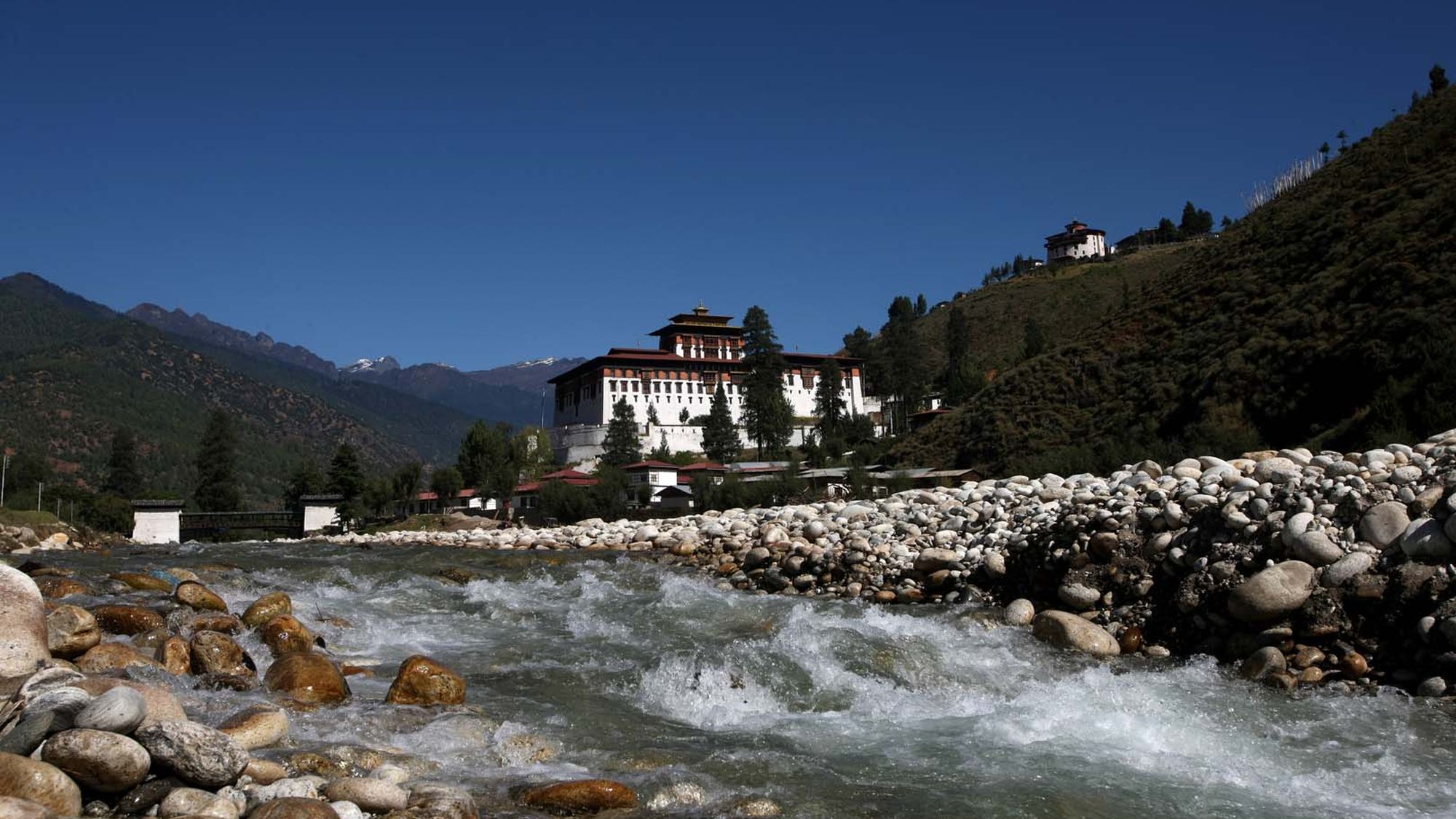
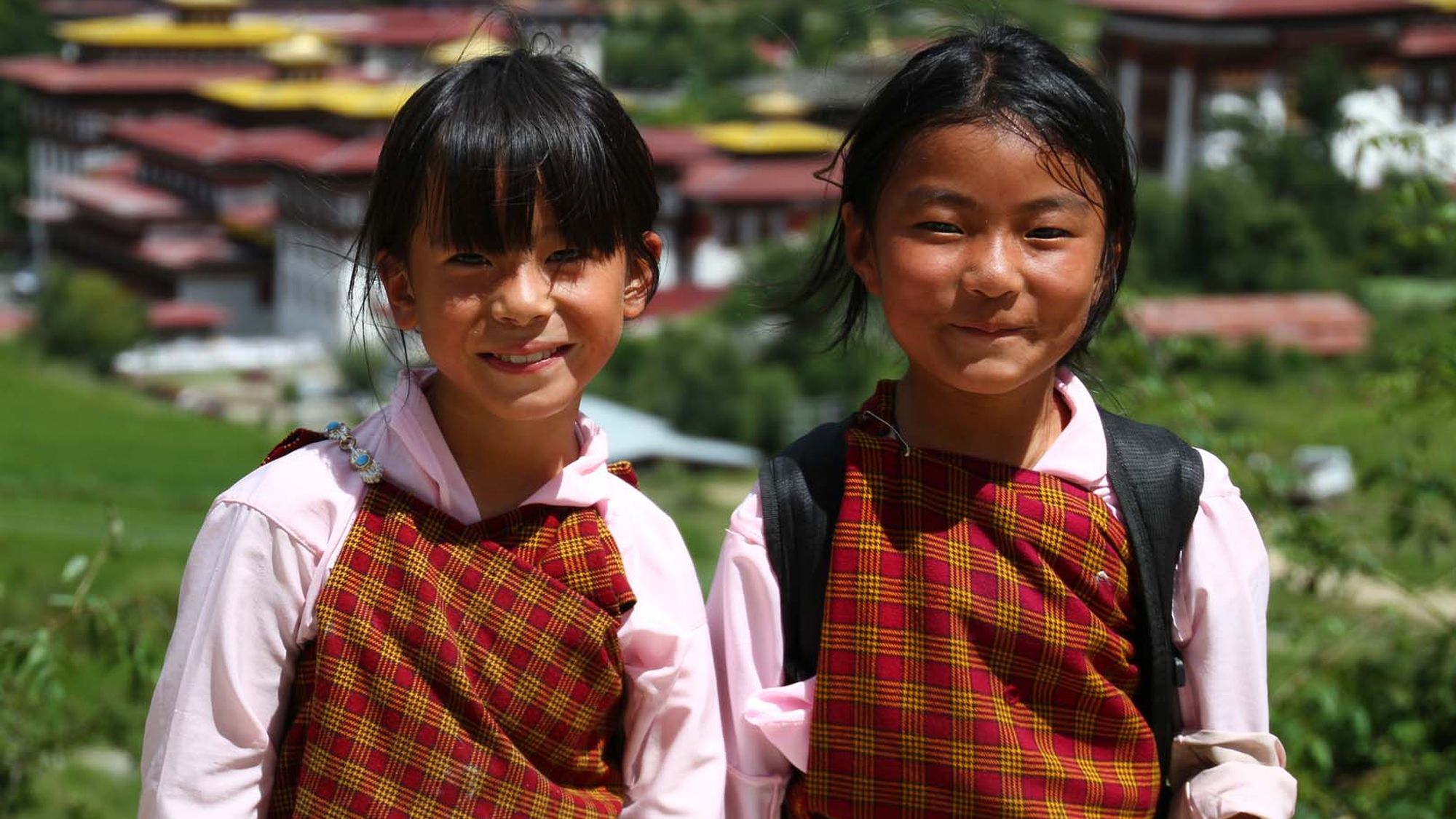
Druk Yul · the land of the thunder dragon
Time moves differently
in the last
Himalayan kingdom.
Bhutan limits who comes, protects what stays, and leaves its highest peaks unclimbed. We build the private journeys that earn it.
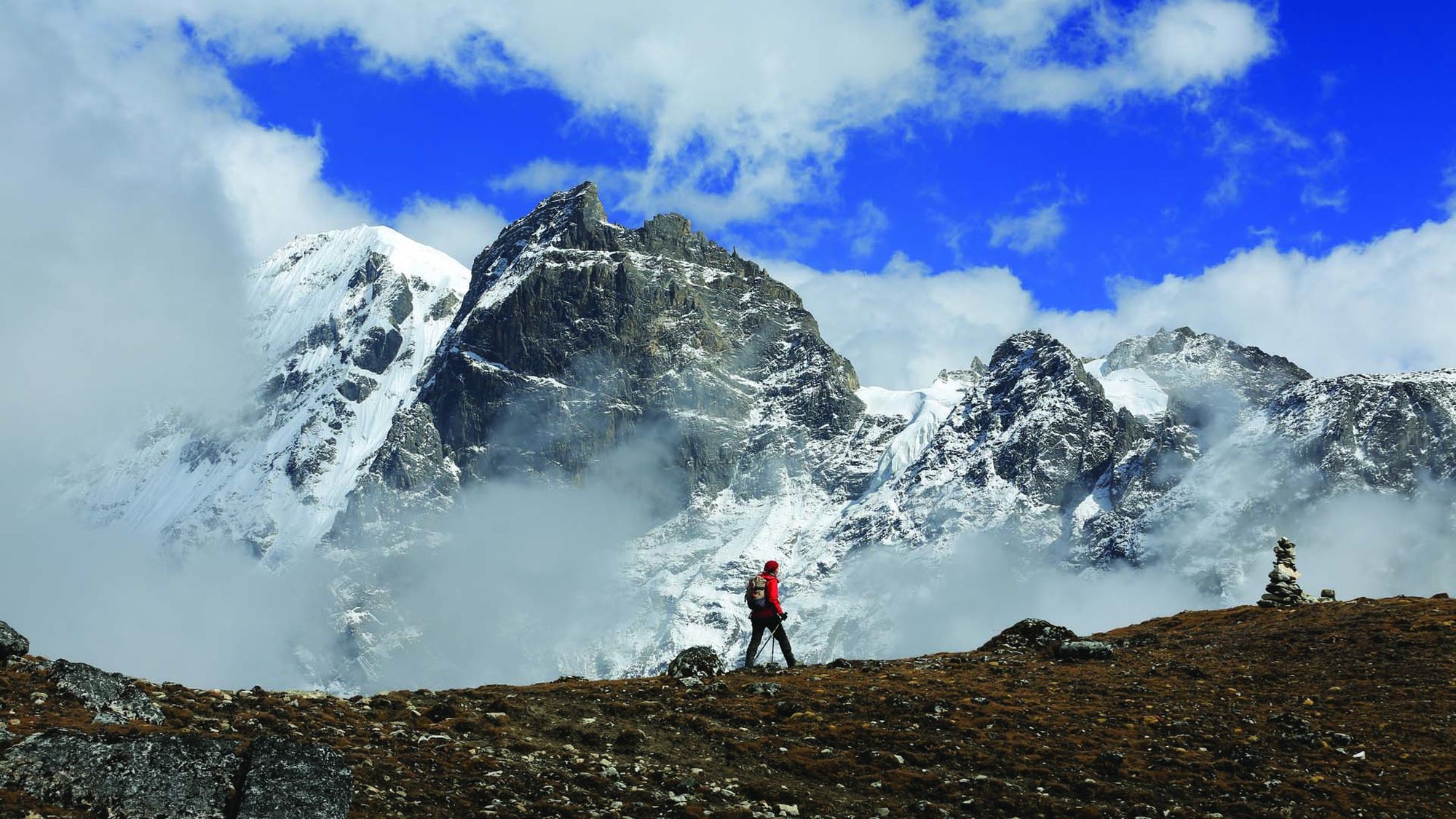
- 7,570m Gangkhar Puensum, the highest unclimbed peak on earth Climbing above 6,000 m is banned by law.
- 72% of the country lies under forest cover The constitution’s floor is sixty per cent.
- 1974 the year the kingdom first allowed visitors The coronation year. A few hundred came.
- −9.4Mt net carbon absorbed by its forests each year The only carbon-negative country on earth.
Licensed Bhutanese operator No. 1046412
Est. in the valleys of Bhutan
Creating meaningful local experiences.
We began offering trips to Bhutan when these valleys inspired our first trekking adventure. Since then we have learned to build journeys that connect people to local communities.
Expect real value, high-quality adventure, and a family who lives here. We are based in Paro, we only sell one country, and a planner reads every enquiry himself.
Eight promises
- Handpicked hotels, guides and experiences
- Stringent safety procedures and standards
- High-quality tents, vehicles and equipment
- Pioneering treks and tour programmes
- Twenty-four hour support on the ground
- Trips that are wholly tailor-made
- Transformational experiences
- The camaraderie of a family-run business
The kingdom
A country that decided not to be discovered.
Bhutan opened to outsiders in 1974 and has been careful about it ever since. There is no mass tourism here, and there is no plan to build any.
The constitution obliges the kingdom to keep at least sixty per cent of its land under forest. It currently holds seventy-two. Every visitor pays a nightly Sustainable Development Fee that funds free healthcare and free schooling for every Bhutanese citizen. Progress is measured against Gross National Happiness, which is not a slogan but a statistical index with a survey behind it.
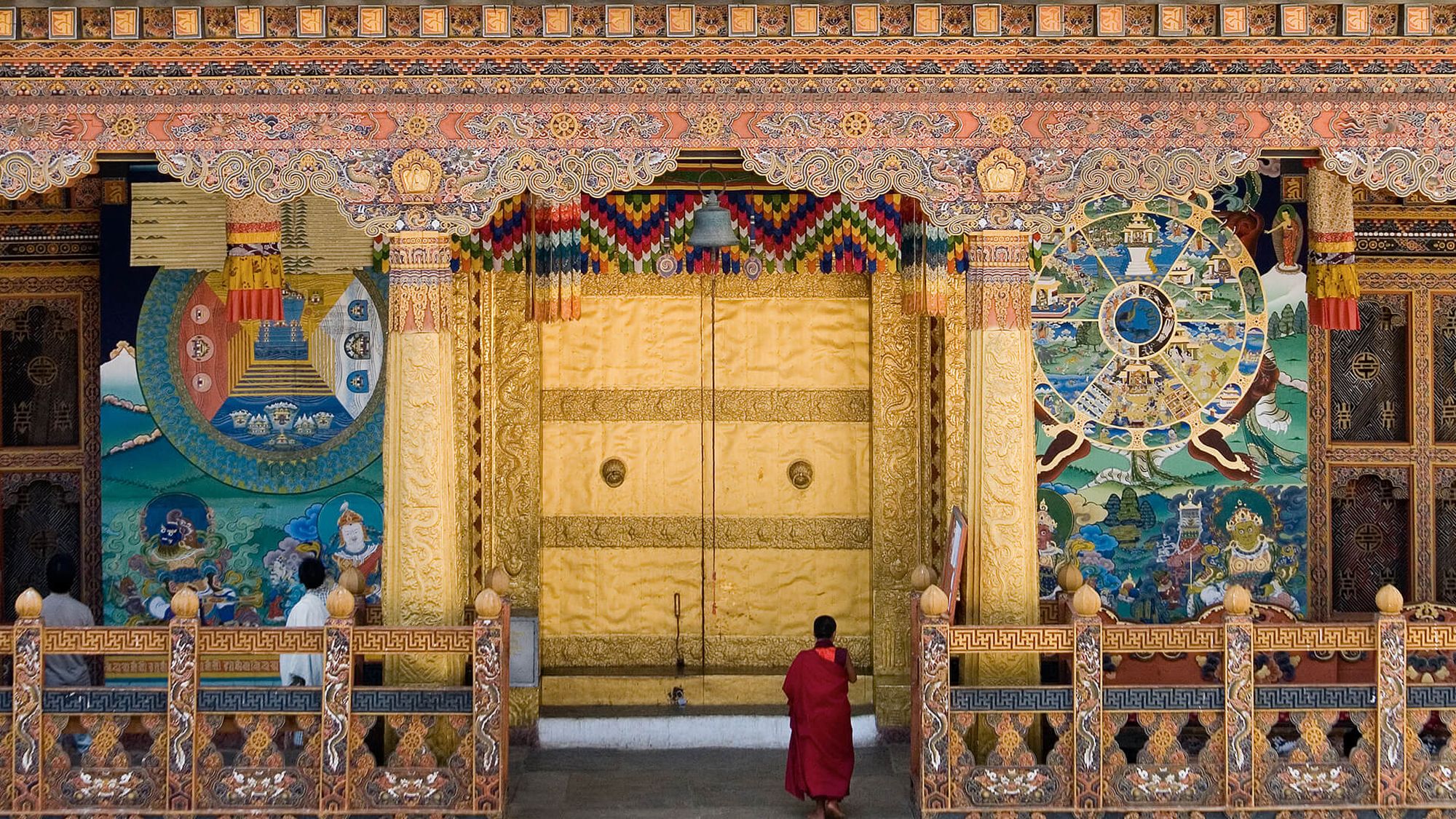
What this means for you is quieter. Trails without queues. Monasteries where the monks are working, not performing. A valley you can have to yourself on a Tuesday in October.
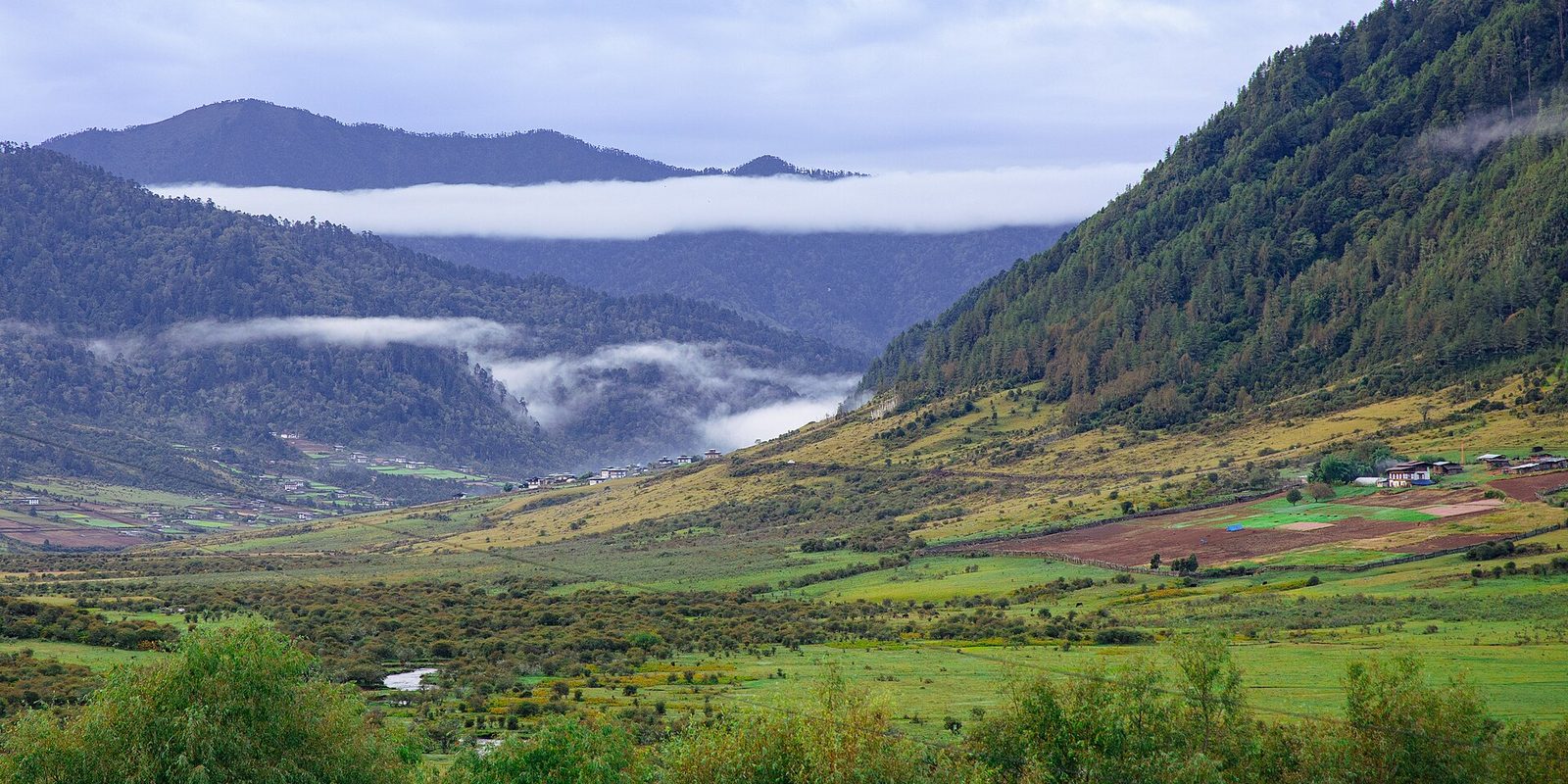
Curated Expeditions
Journeys that reorder how you see.
Drawn from decades of guest journals, monastic trail notes, and traveler memories. Each journey is private, slow-paced, and reshaped personally around what you seek.
-
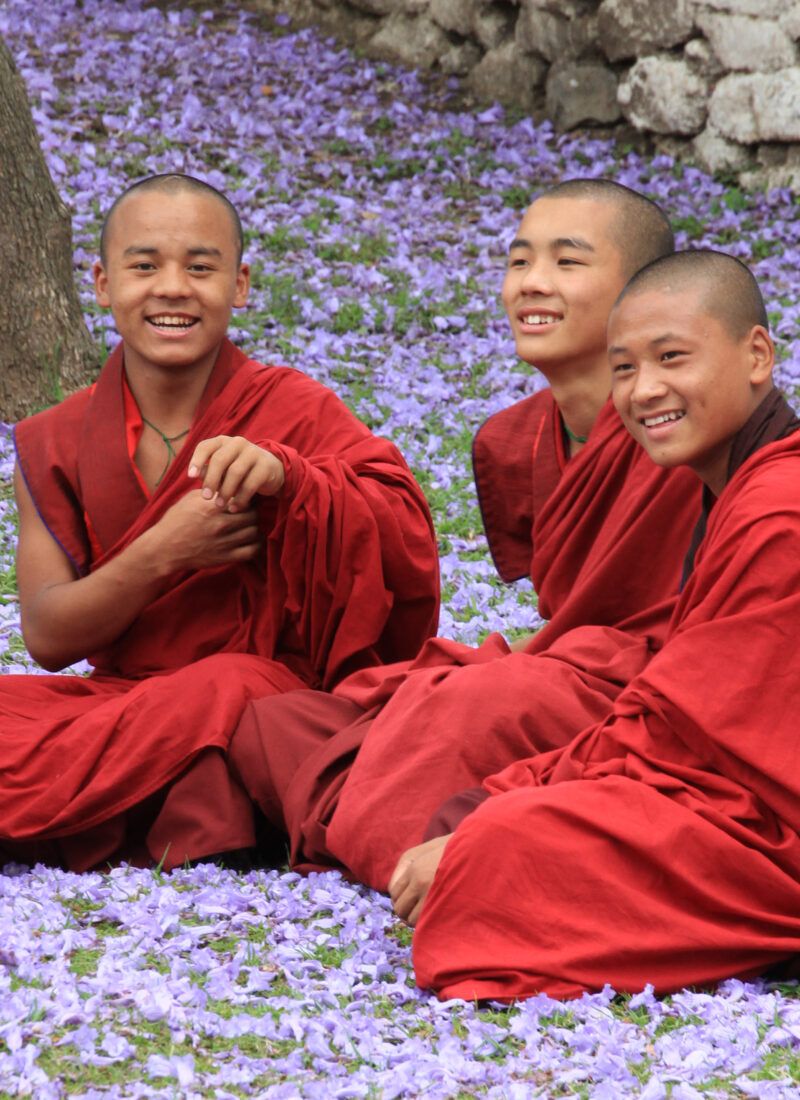 Paro · Punakha · Bumthang · HaaHimalayan Escape Cultural Circuit
“By day four in Bumthang, you stop checking the time. You realize the road isn’t connecting cities—it is carrying you between centuries.”
-
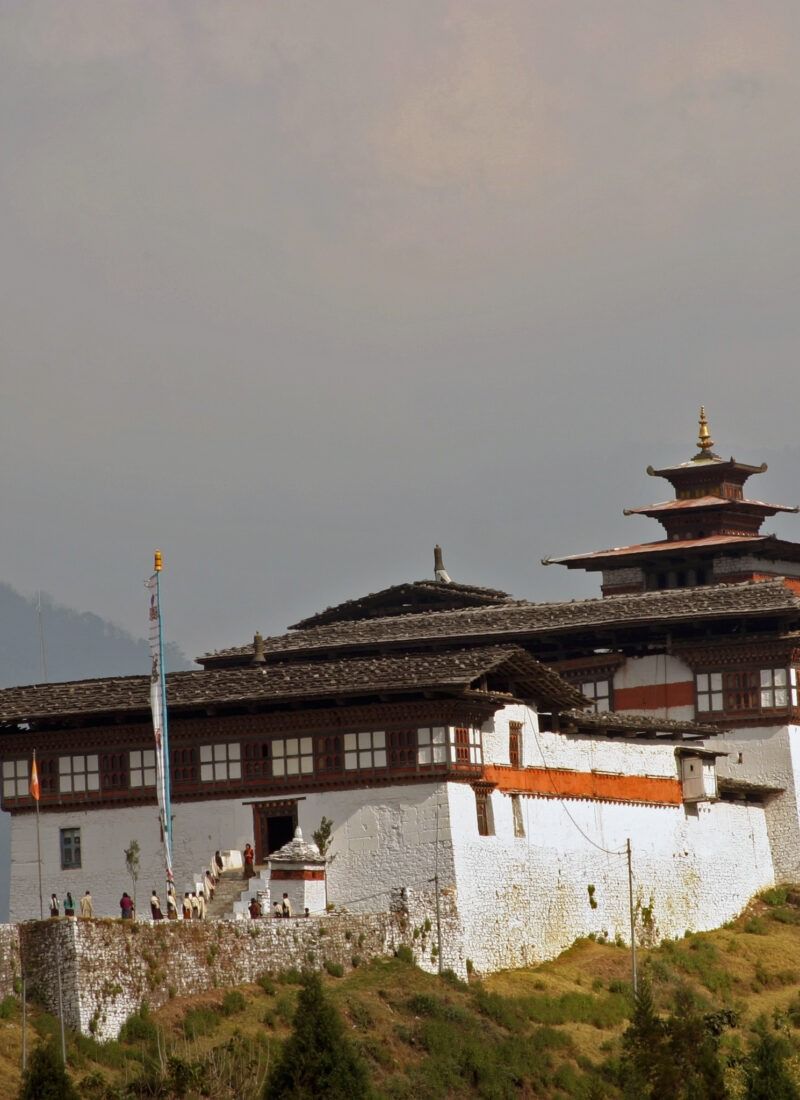 Paro · Thimphu · PunakhaEssential Explorer First Journey
“Standing before Punakha Dzong where two glacial rivers meet, you understand why travelers describe Bhutan as a dream you don’t want to wake from.”
-
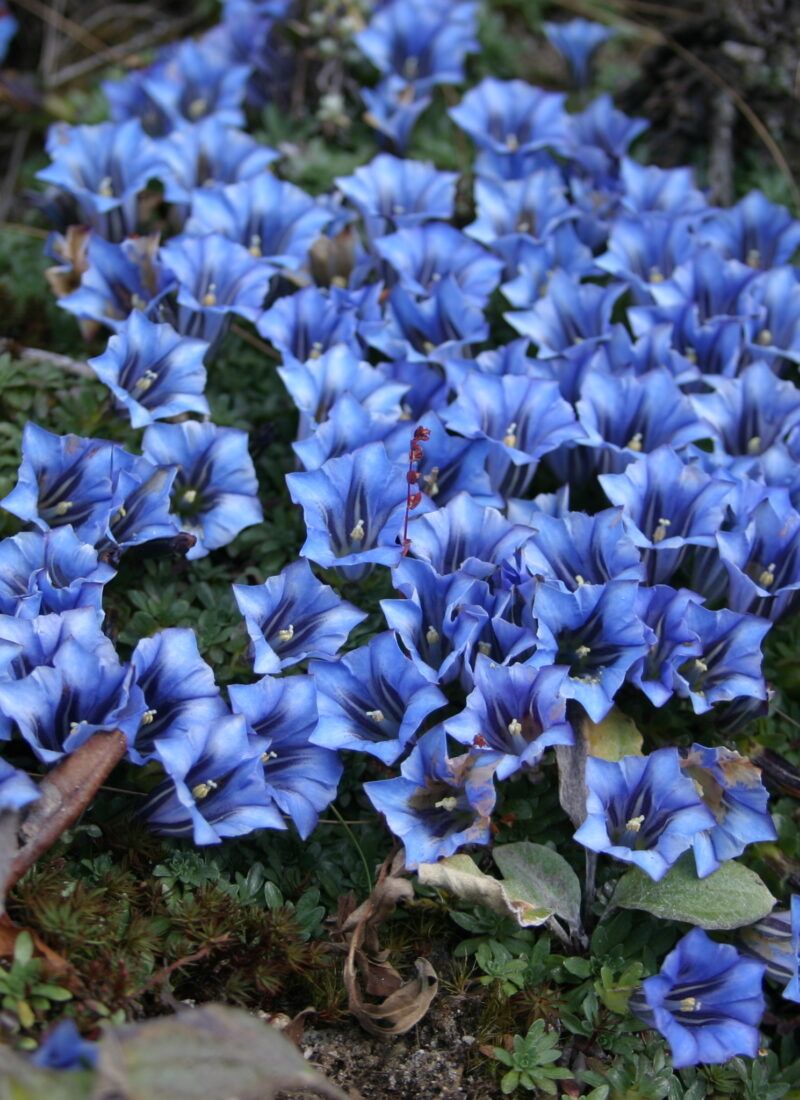 Paro Valley · ThimphuWonders of Bhutan Short Break
“Even five days is transformative. The morning hike up to Tiger’s Nest through pine forests smelled of cedar, smoke, and sheer clarity.”
-
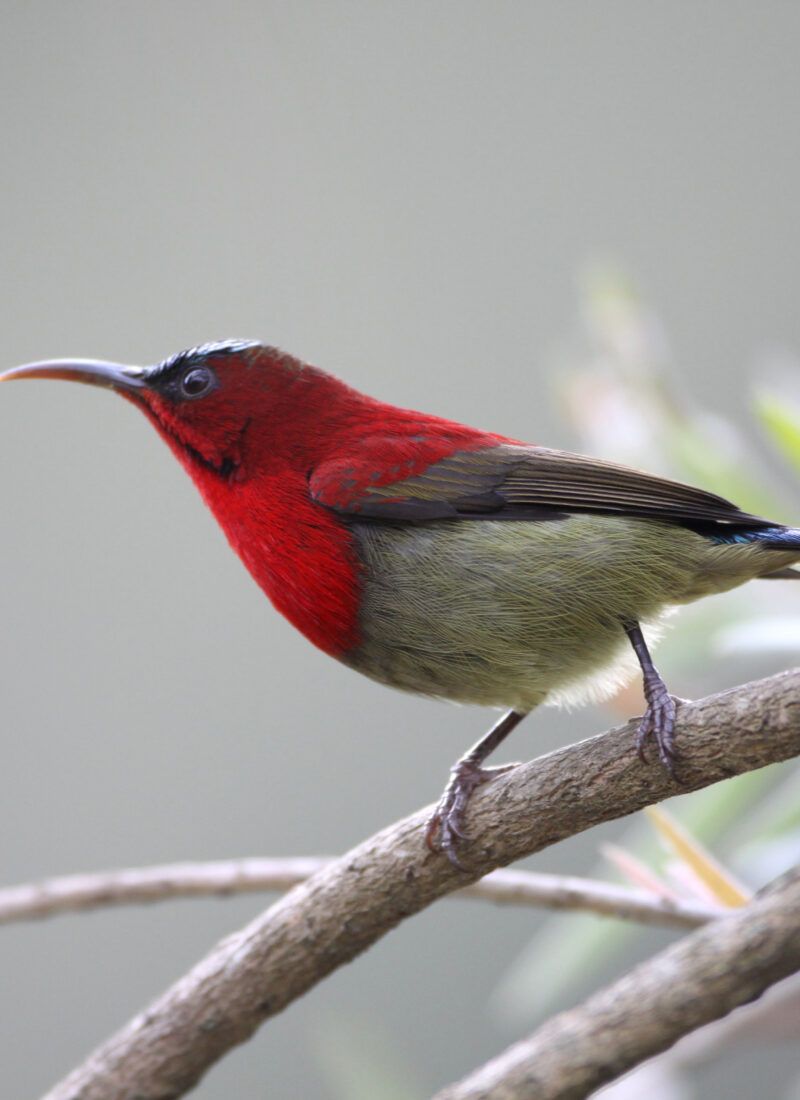 Chele La · Phobjikha · Jigme DorjiHimalayan Birding Trail Special Interest
“To watch the black-necked cranes glide silently into Phobjikha against autumn mist is an encounter no camera lens can truly capture.”
-
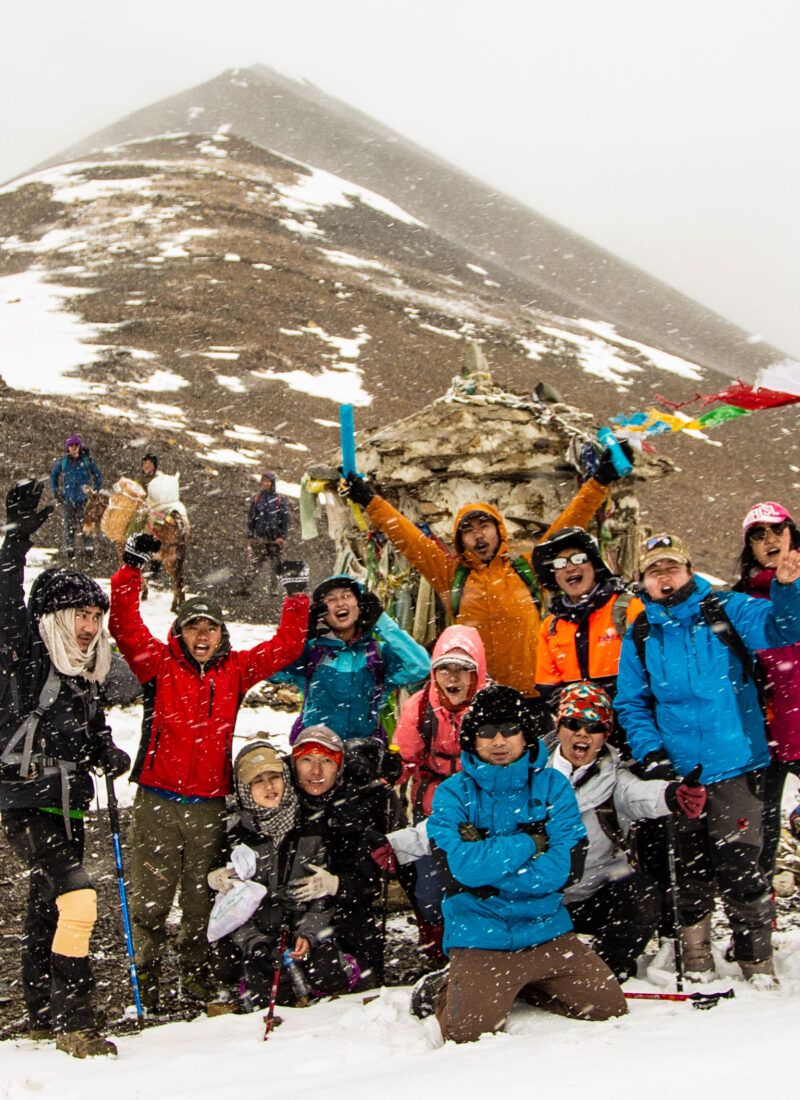 Thimphu · Dagala Glacial LakesDagala Thousand Lakes Alpine Trek
“Camped beside crystal tarns with Mount Everest and Kanchenjunga on the horizon. Not another soul in sight—just silence and prayer flags.”
-
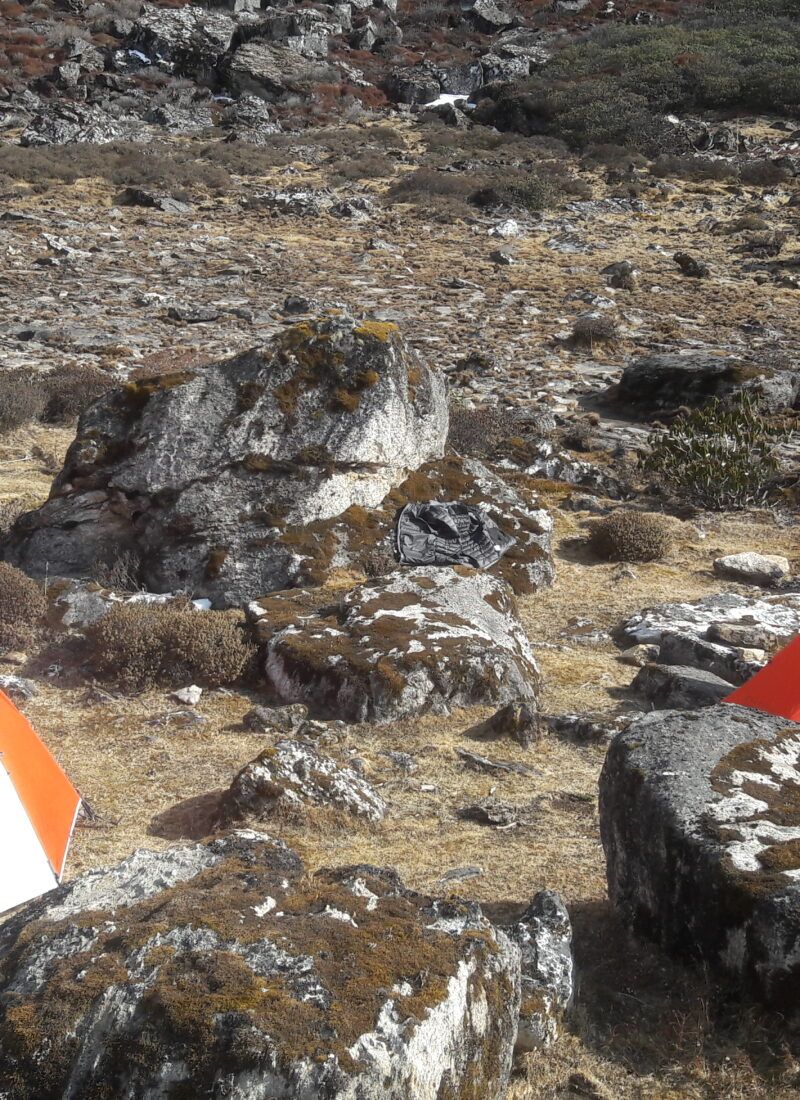 Paro to Thimphu WildernessDruk Path Trail Classic Trek
“The old trading route between valleys. Walking through rhododendron forests in bloom with hot tea served in your tent at sunrise.”
What you can do
Six ways to spend a day.
Add any of these to a journey, or build a week from them. All six run privately, with your own guide and vehicle.
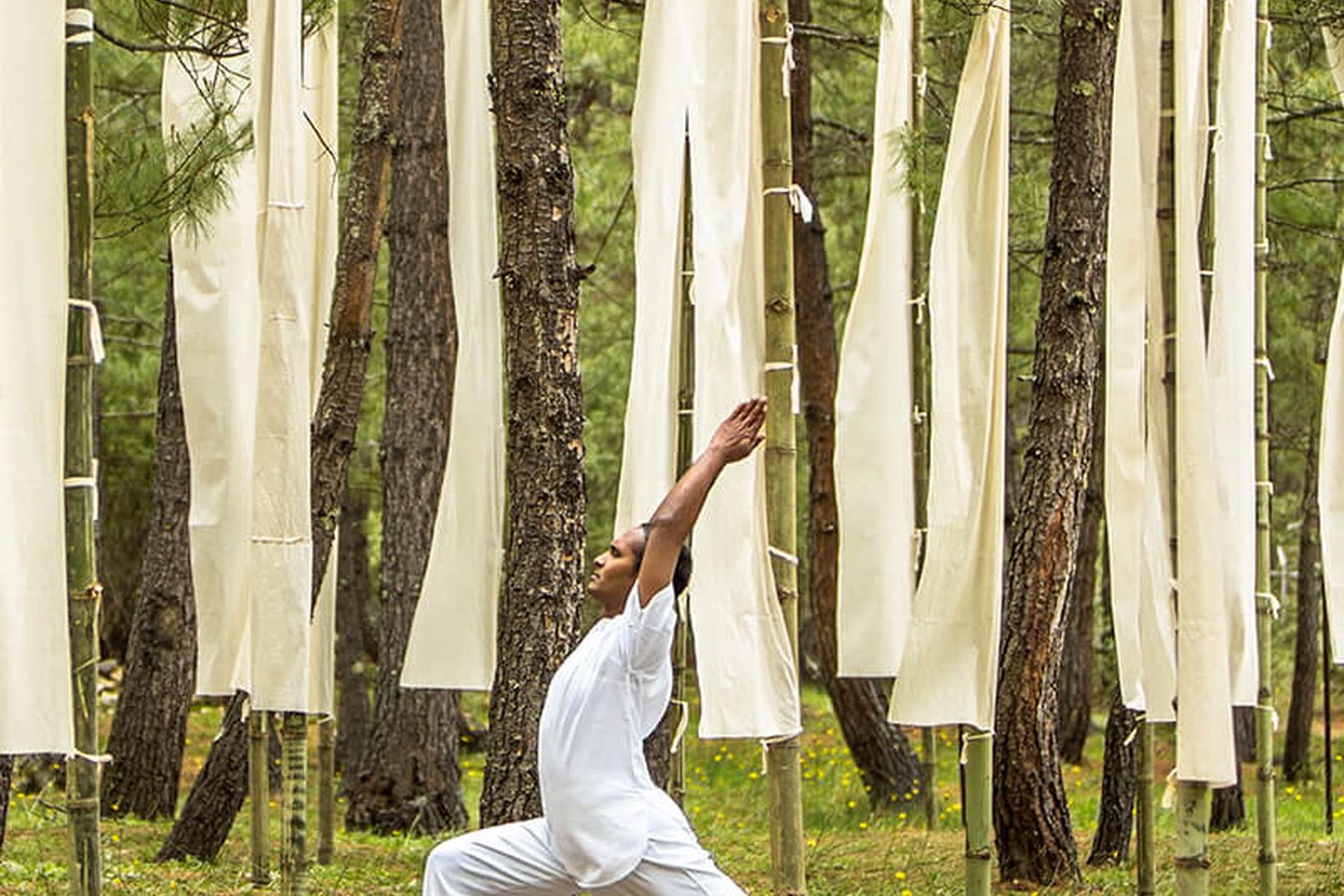
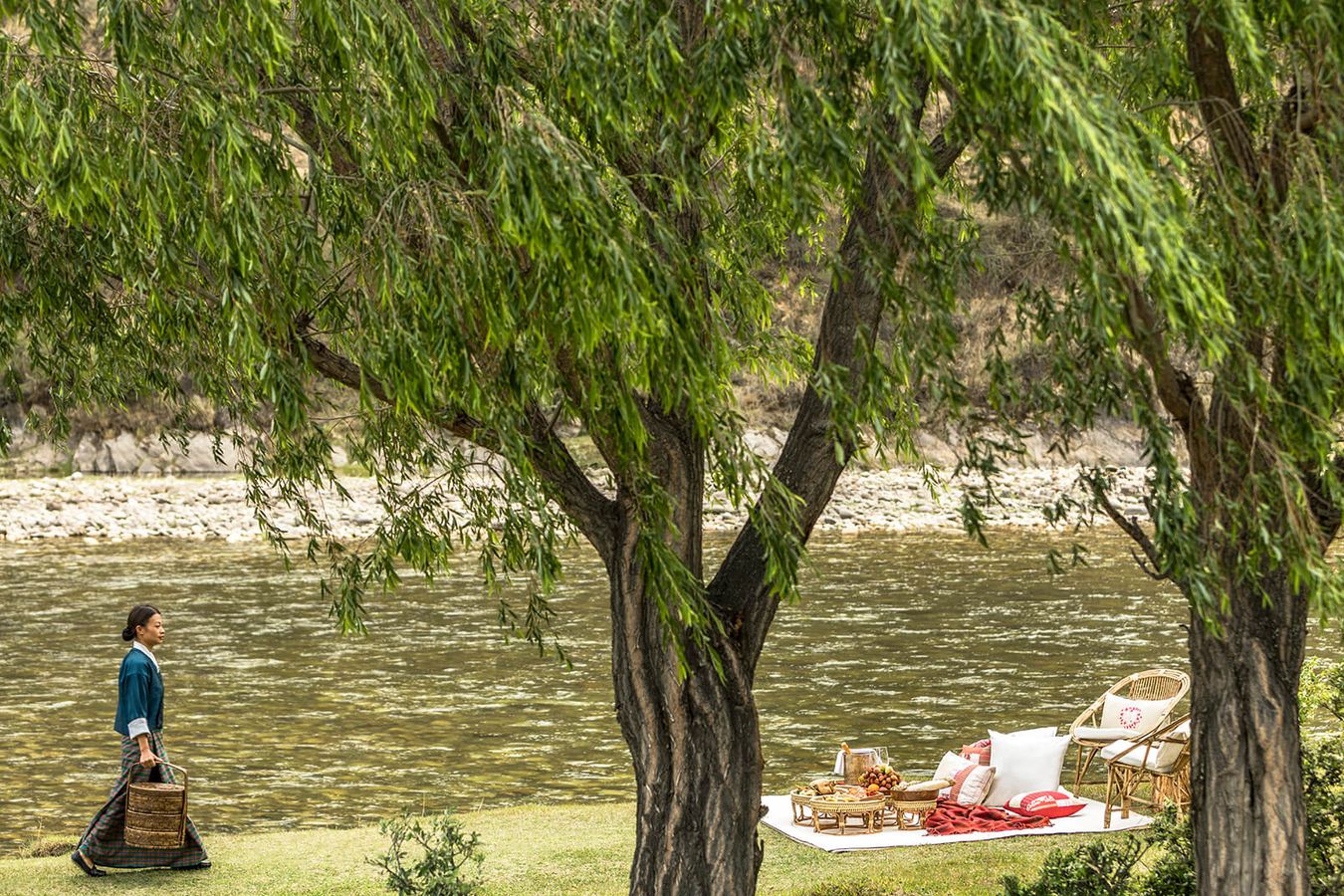
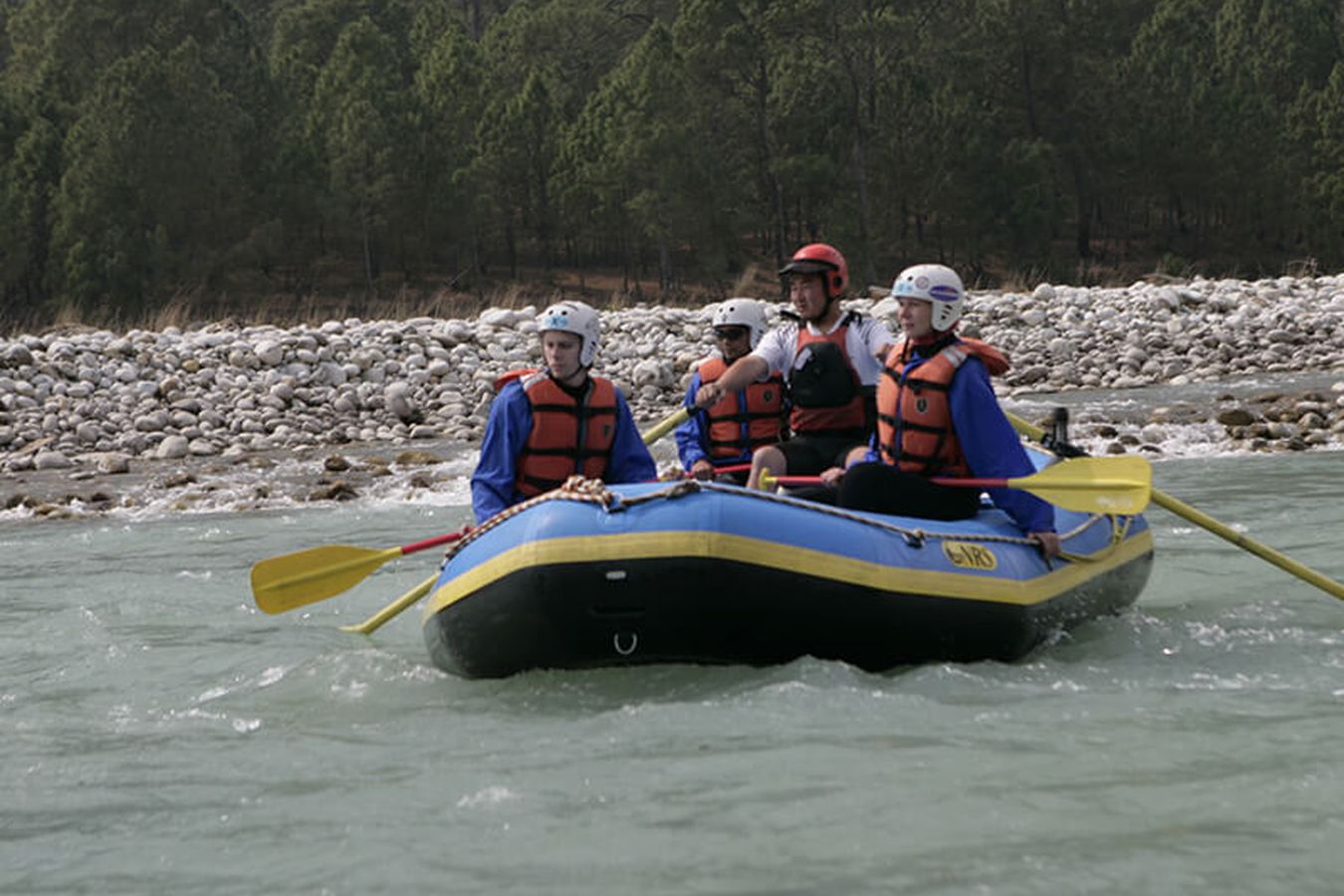
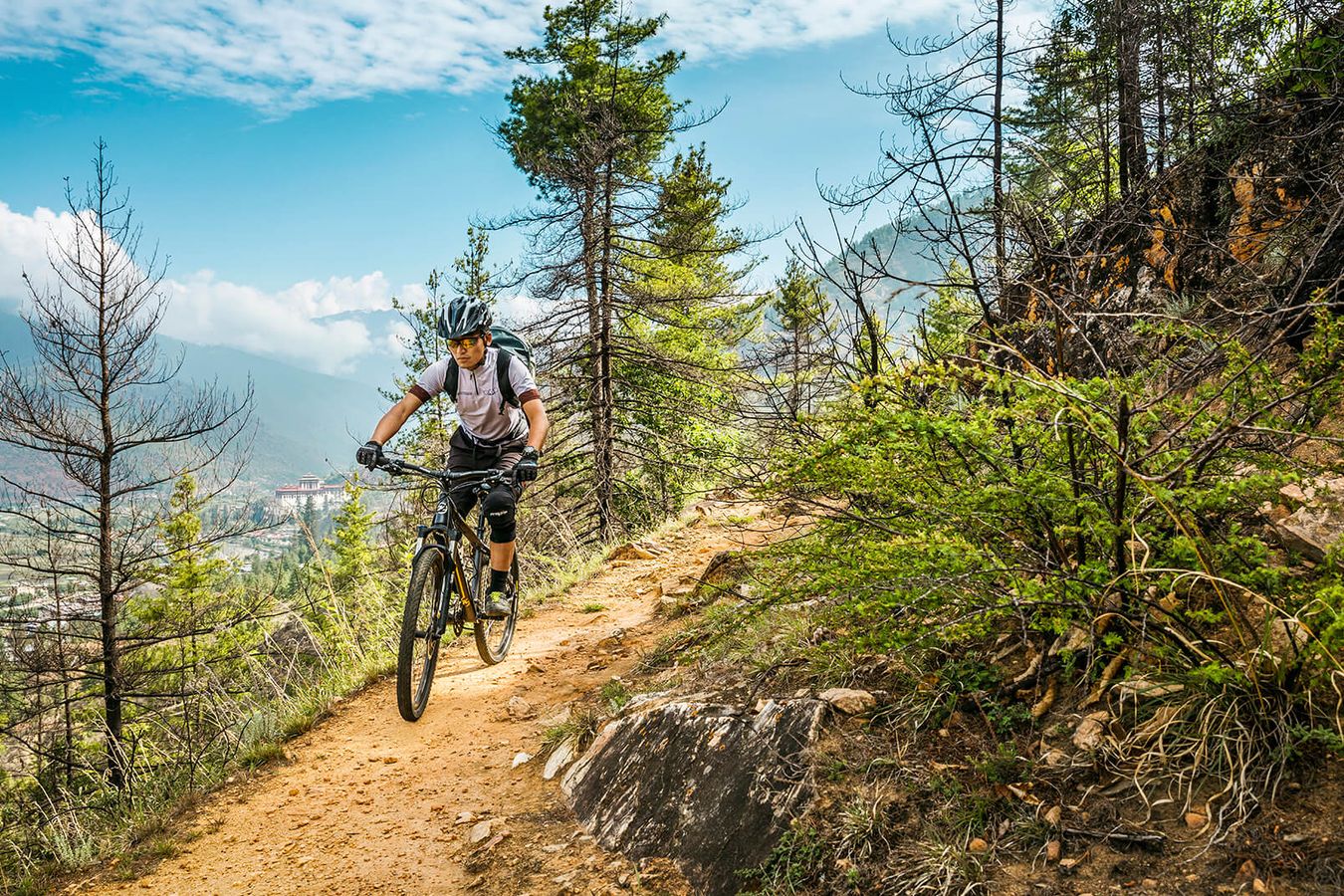
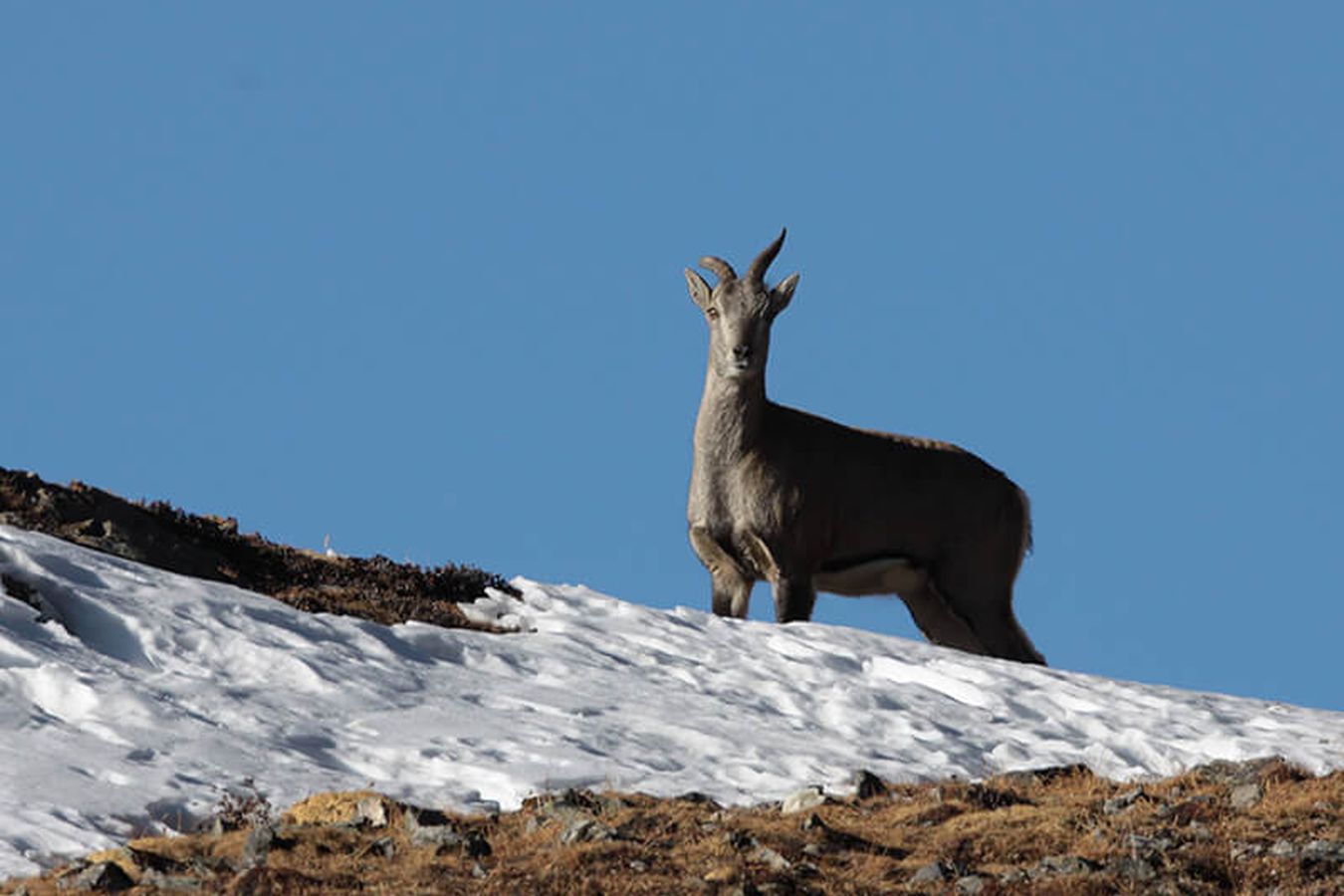
Festivals
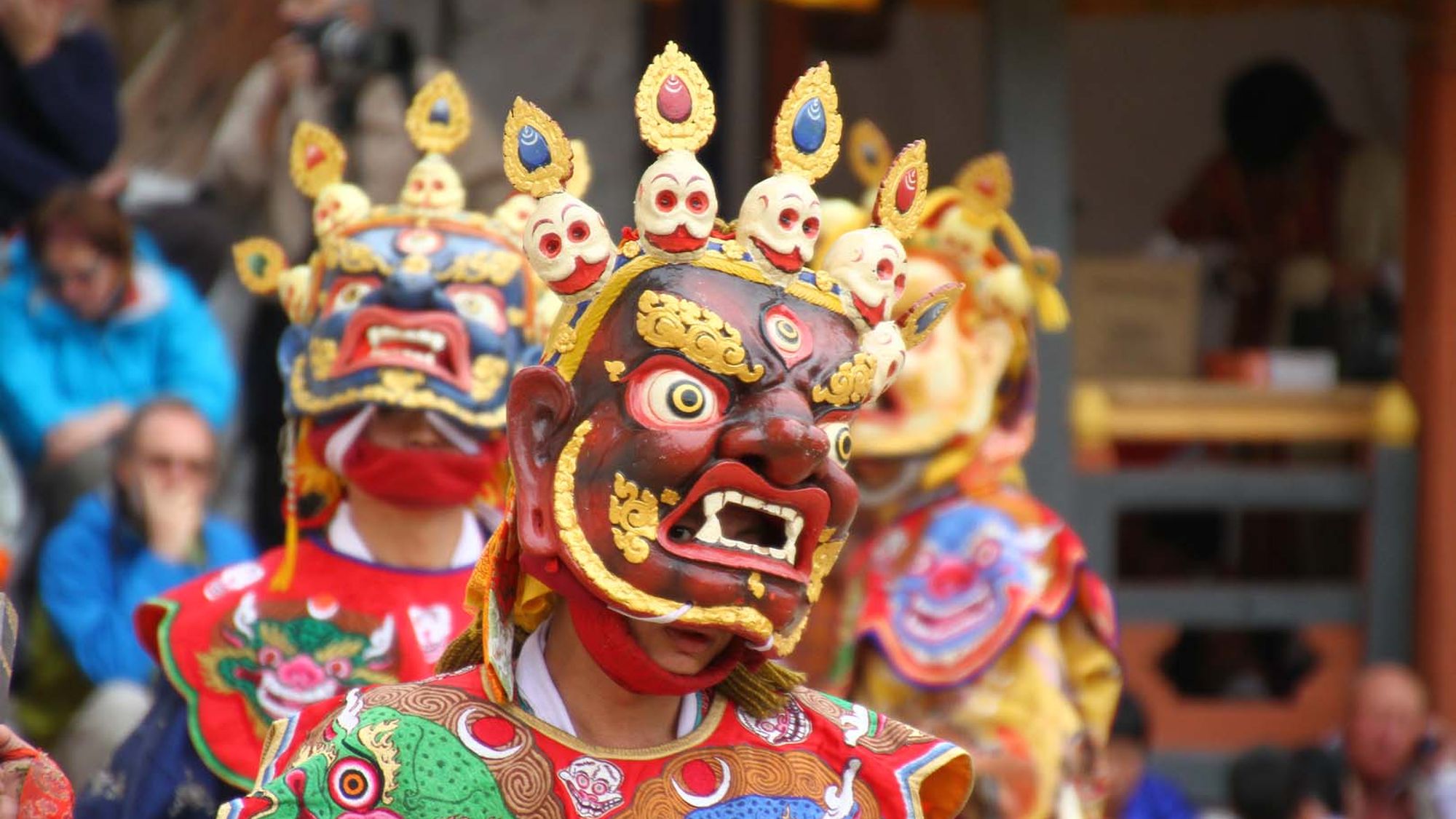
The mask dances are not a performance.
A tsechu is a religious obligation. Families walk in from the hills, in their best kira and gho, because attending is held to wash away the year.
The dances run for days. Monks in carved masks act out the subjugation of demons and the judgement of the dead, and between them the atsara clowns work the crowd with wooden phalluses and very rude jokes. At dawn on the final morning of the largest festivals, a vast appliquéd thangka called a thongdrel is unrolled down the face of the dzong and rolled away again before the sun can touch it. Seeing it is said to be enough.
Dates move with the lunar calendar and are confirmed only a few months out. We hold rooms provisionally and confirm as soon as the monk body publishes.
Festivals worth planning around
- Punakha Drubchen & Tshechu
- Feb–Mar Re-enacts the 1639 rout of a Tibetan army. Ends with the thongdrel.
- Paro Tshechu
- Mar–Apr The one everybody names. Five days, enormous crowds, unforgettable.
- Ura Yakchoe, Bumthang
- Apr–May Small, rural, and the closest to how these looked a century ago.
- Haa Summer Festival
- Jul Nomad culture rather than monastic. Yak sports, and very good cheese.
- Thimphu Tshechu
- Sep–Oct The capital stops for three days. Book nine months out.
- Black-Necked Crane Festival
- 11 Nov Gangtey. Schoolchildren dance as cranes in the monastery courtyard.
Lunar dates. Confirmed roughly three months ahead by the Central Monastic Body.
Where you stay
Six places worth the drive.
Bhutan has perhaps thirty rooms that meet an international luxury standard, and we know all of them. We also know the farmhouse that beats them.
- AmankoraFive lodges · Paro to BumthangRammed earth and stone, one valley at a time. The circuit is the point.
- Six Senses BhutanFive lodges · Paro to BumthangWarmer and more playful. The Paro lodge sits inside a ruined dzong wall.
- Gangtey LodgePhobjikha valleyTwelve rooms above the crane marsh. Bukhari stoves, and the best breakfast in Bhutan.
- COMO UmaParo & PunakhaThe most comfortable base for a first trip, and the easiest to reach from the airport.
- Bukhari at Uma ParoParoNot a lodge, a round room. We book it for the last night, facing the valley.
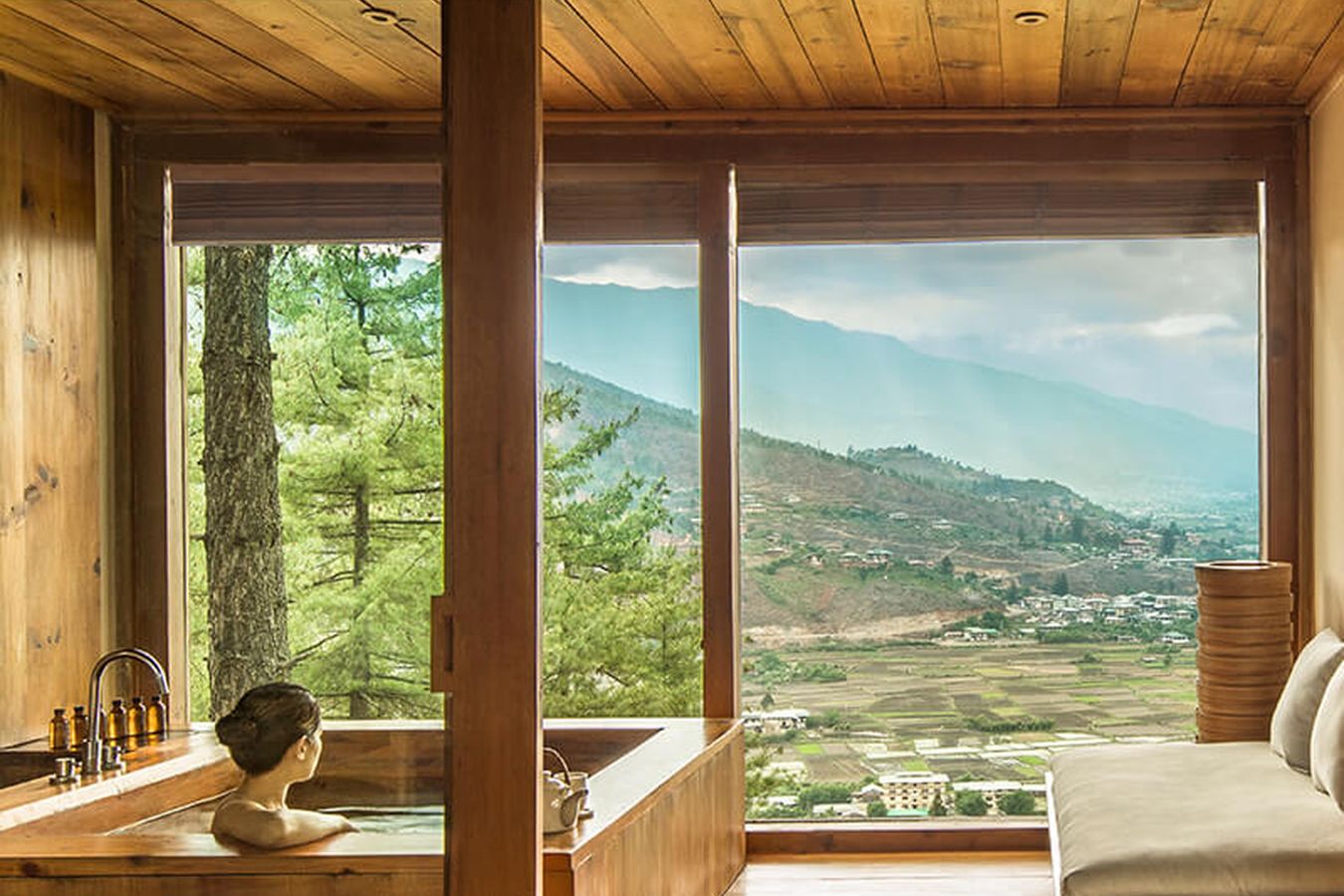
- A farmhouse in HaaHaa valleyNo brand, no website, a wood-fired hot stone bath and a family who will feed you ema datshi until you surrender.
Plan your journey
Tell us roughly what you want.
A real person in Paro reads every enquiry and replies within one working day. No call centre, and no itinerary until we have spoken.
When to come
| Season | What it gives you |
|---|---|
| Mar–May | Rhododendron in flower, Paro Tsechu, warm valleys, some haze. |
| Jun–Aug | Monsoon. Green, cheap, nearly empty. Leeches on the trails. |
| Sep–Nov | The clearest air of the year and the big festivals. Book earliest. |
| Dec–Feb | Cold, bright, quiet. Cranes in Phobjikha. Some high passes close. |
Questions we are asked most
Do I need a visa?
Yes, unless you hold an Indian passport. It can only be applied for through a licensed Bhutanese operator, so we file yours once your journey is confirmed. It is usually issued within five working days.
What is the Sustainable Development Fee?
USD 100 per adult, per night, on top of your travel costs. It pays for free healthcare, free education and forest protection. Ages six to twelve pay half; under six are exempt. We collect and remit it for you.
Can I climb a mountain here?
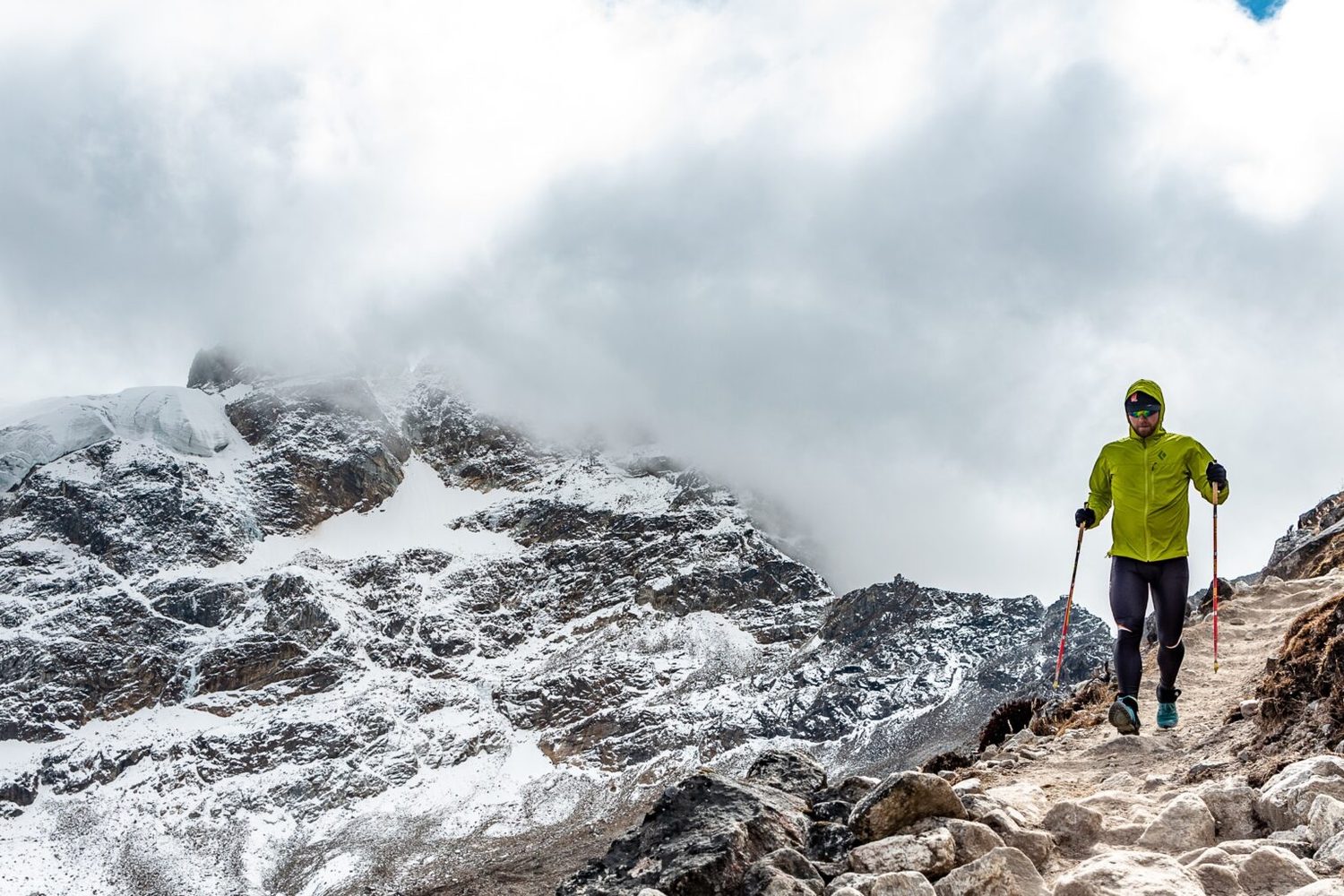
No. Anything above 6,000 metres has been off limits since 1994 and fully banned since 2003, because the summits are held to be the homes of deities. Gangkhar Puensum is the highest unclimbed mountain on earth and will stay that way. Trekking below that line is open, and it is superb.
How far ahead should I book?
Six to nine months for October or for a tsechu, because there are very few lodge rooms in Paro and Punakha. Three months is usually plenty otherwise.
How do I get there?
Drukair and Bhutan Airlines fly into Paro from Delhi, Kathmandu, Bangkok, Singapore and Dhaka. The approach is flown by hand between the ridges and only a few dozen pilots are certified for it. Sit on the left.